
Agroecology
More than a farm — Karamba is a catalyst for community empowerment, food sovereignty, and sustainable development in southern Senegal.

Founder & Team
Bourama Sané founded Karamba Farm in 2016 with a mission to prove that opportunity could be built right at home in Casamance. After earning his master’s degree in international cooperation and local development, he returned to his father’s land in Fanghotte. Starting with just a bicycle, a watering can, and citrus trees, he turned a vision of food sovereignty and rural empowerment into a growing reality. For Bourama, the farm is not just a place of cultivation, but a model of what’s possible without migration or dependency on imports.
Today, he is joined by a committed team that brings practical farming knowledge, resilience, and a shared commitment to transforming the region through agroecology, education, and job creation.
-
Mariam Barry
-
Alpha Keba Sagna
-
Nouha Tamba
-
Alpha Omar Diallo
-
Cherif Toumani Tamba
-
Yaya Sané
Our Timeline

2016
Project begins: Bourama starts clearing land and planting citrus trees using water he carried by bike.

2019
A well is built, and electricity and fencing are added. The first small gardens take root.

2020
The team grows. Eki, Tamba, and Alpha join. Housing and basic infrastructure expand.

2022
A solar pump is installed. Volunteer housing and a drip irrigation system are introduced.

2024
Commercial farming begins. First broiler chickens are raised. Plans for egg-laying hens are launched.
Our Products
Below is a snapshot of what we grow and raise on our land today

Tomatoes
~1,650 kg/year

Oranges
~1,650 kg/year
Pineapples
in trail zone
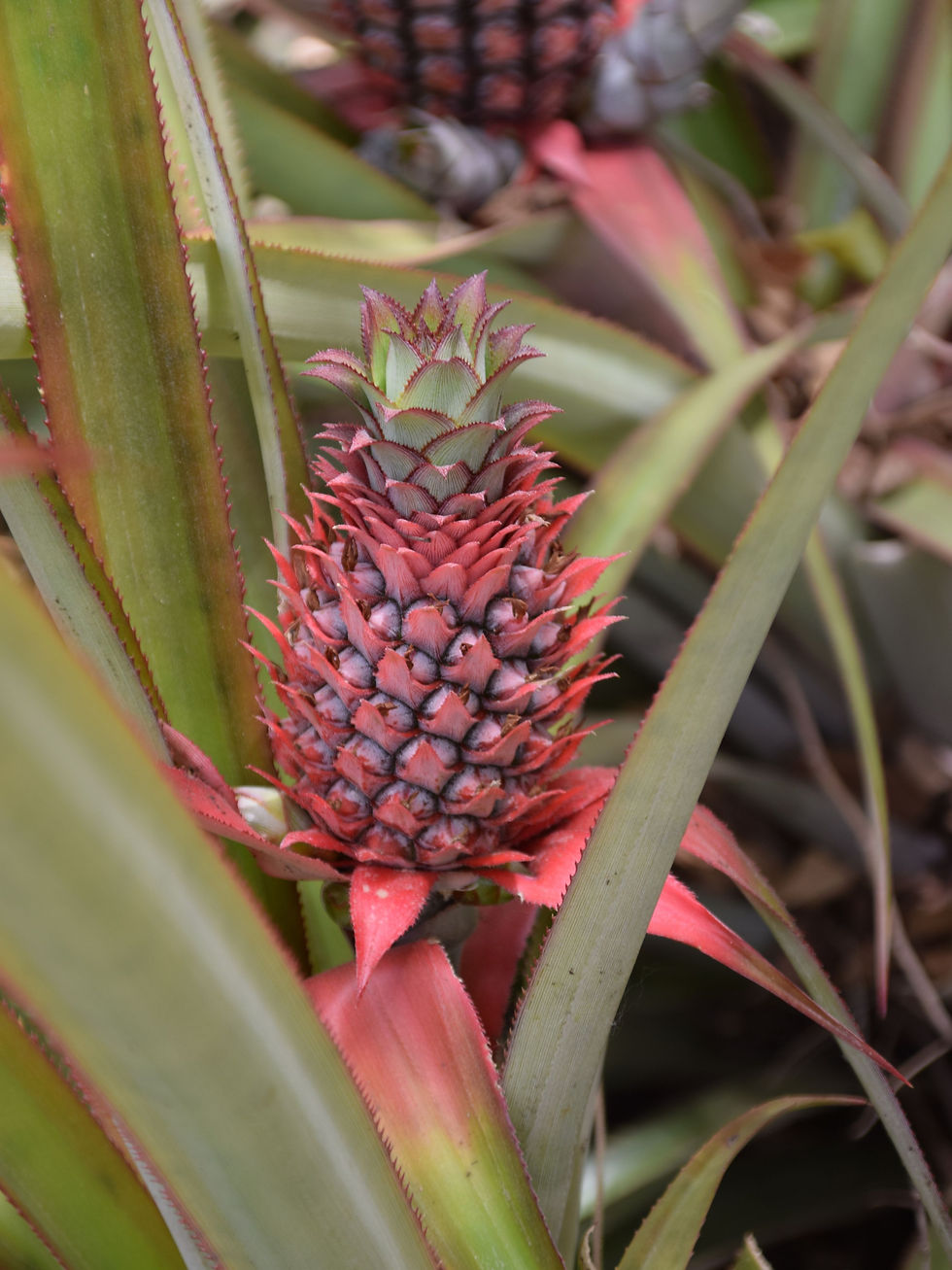
Bananas
Two groves
~1,650 kg/year


Lettuce
in trail zone

Onions
Two groves
~1,650 kg/year
Cashews
in trail zone

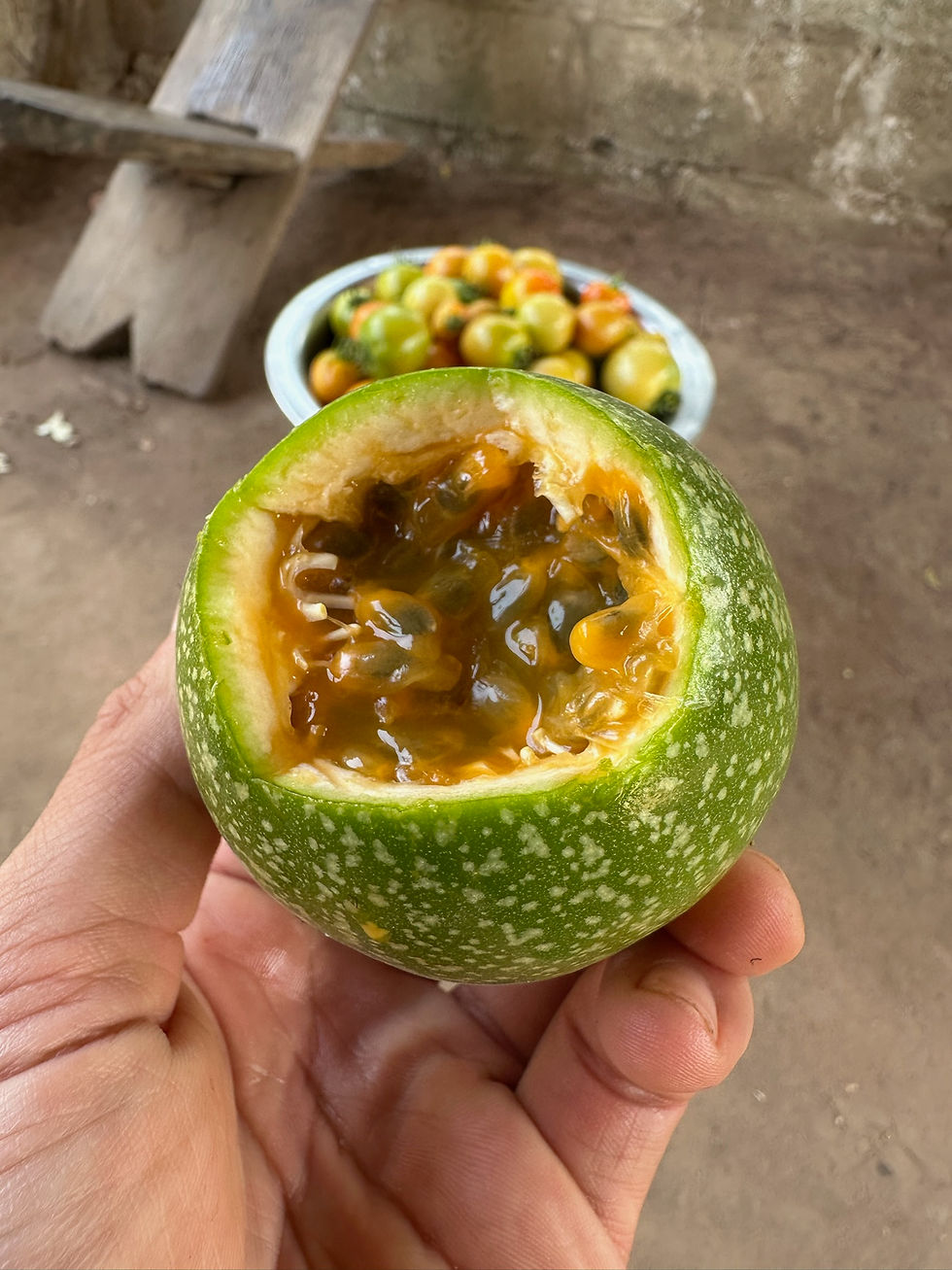
Passionfruit
Two groves
~1,650 kg/year
_edited.jpg)
Bees
~30+ active hives (growing)
Long-term honey production plan
Hive building & swarm collection
Training in wax and frame making

Chickens
Broiler Chickens – 660 per cycle
Egg-Laying Hens – planned for 2026
Our Location
Our farm is located just 4 kilometers from Niaguisse, in Fanghotte, Ziguinchor, Senegal
Our Mission

Building the Community Infrastructure
During the Casamance conflict, Fanghotte lost its school and key infrastructure. Today, Karamba is working with the village to rebuild what was lost — starting with a new solidarity school for local children. The walk to the nearest functioning school is over 45 minutes, often through tough conditions. Constructing a safe and accessible education space is not just a physical need — it’s a foundation for long-term community revival.
Building the Community Development
Karamba is committed to creating lasting employment and education in Fanghotte and the surrounding areas. We prioritize training and jobs for women and youth, recognizing their power to transform local economies. Whether it’s through agroecological farming, volunteering programs, beekeeping, or food transformation projects, the farm empowers people with skills, income, and stability — so they don’t need to migrate for opportunities.

2026 Vision
Karamba’s next steps are focused on deepening impact and expanding self-sufficiency:
Build a Dedicated Chicken Coop for Laying Hens
Secure new structure and acquire 200+ hens to provide eggs for local sale and nutrition.
Expand Solar-Powered Drip Irrigation to Second Plot
Support fruit and vegetable production year-round across both farm sites.
Construct a Composting Area & Storage Facility
Enable in-house fertilizer production, reducing cost and improving soil sustainability.